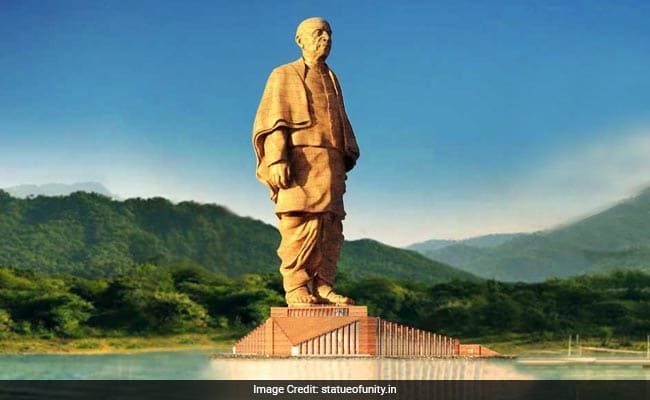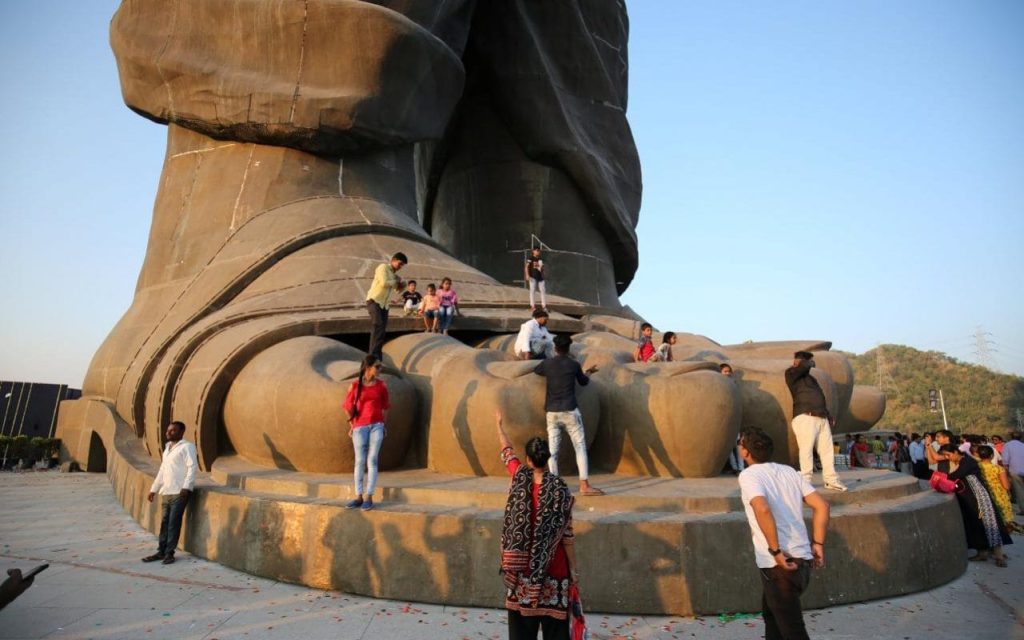
Soaring 182 meters (597 feet) above the Narmada River Valley in Gujarat, India, the Statue of Unity stands as a testament to human ingenuity and engineering prowess. This colossal statue, dedicated to India’s “Iron Man” Sardar Vallabhbhai Patel, is not just a symbol of national pride, but also a remarkable feat of modern engineering. Constructing such a massive structure presented a multitude of challenges, demanding innovative solutions and the use of cutting-edge technology. Let’s delve into the fascinating details of how this marvel was built.
The Vision: Transforming Dreams into Steel and ConcreteThe idea for the Statue of Unity was conceived in 2010 by India’s then-Chief Minister of Gujarat, Narendra Modi. The vision was to create a colossal statue that would be a lasting tribute to Sardar Vallabhbhai Patel, a pivotal figure in India’s struggle for independence and subsequent unification. Patel played a crucial role in integrating the over 500 princely states into a united India after independence. The statue’s design, depicting Patel in a walking pose, symbolizes his unwavering determination and leadership in forging a unified nation.
Engineering Challenges: Building a Colossal Dream
Constructing such an enormous statue presented a unique set of challenges for the engineers. Here are some key obstacles that needed to be overcome:
1. Structural Stability: The primary concern was ensuring the statue’s stability against strong winds and seismic activity. The region is prone to earthquakes, and the statue’s immense height made it particularly vulnerable.
2. Material Selection and Durability: Choosing the right materials for a structure of this size and longevity was crucial. The materials needed to be strong, lightweight, and resistant to extreme weather conditions.
3. Construction Techniques: Traditional construction methods were simply not feasible for such a massive undertaking. Innovative techniques and specialized equipment needed to be developed to handle the colossal scale of the project.
4. Logistics and Transportation: Moving and assembling the massive components of the statue posed significant logistical challenges. Special cranes and transport vehicles were required to handle these giant elements.
Innovative Solutions: Overcoming Obstacles with Technology
To overcome these engineering hurdles, the project team employed a combination of cutting-edge technology and a blend of traditional and modern construction techniques. Here’s a closer look at some of the innovative solutions employed:
1. Core-Wall Technology: The statue’s core is built using a core-wall technology, specifically a RCC (Reinforced Cement Concrete) framed structure. This method involves constructing a central concrete core for stability, with a steel frame providing additional support. The core wall uses high-strength concrete (M70 grade) to ensure its resilience against wind and earthquakes.
2. Cladding with Bronze Panels: The concrete core is clad with 17,000 square meters (183,000 square feet) of bronze panels. These panels are not just for aesthetics; they also act as a protective layer, shielding the concrete core from harsh weather conditions and corrosion.
3. Advanced Welding Techniques: Joining the massive steel components required specialized welding techniques. The project utilized friction stir welding (FSW) to create strong and reliable welds between the steel sections. This method generates less heat compared to traditional welding, minimizing the risk of distortion in the large steel structures.
4. Digital Modeling and 3D Printing: 3D modeling software played a crucial role in designing and planning the construction process. It allowed engineers to visualize the final structure and identify potential challenges before construction began. Additionally, 3D printing was used to create complex molds and parts needed for the project.
5. Specialized Equipment: Building a statue of this magnitude demanded the use of unique machinery. giant cranes with a lifting capacity of 2,000 tonnes were employed to move and assemble the colossal steel segments.
6. Safety Measures: Working on such a large-scale project necessitated strict safety protocols. The team implemented extensive safety measures, including fall protection systems, safety nets, and comprehensive training programs for workers.
The Materials Symphony: Building Blocks of a Colossus
Constructing the Statue of Unity involved a complex interplay of various materials, each chosen for its specific properties. Here’s a breakdown of the key materials used:
1. Steel: Steel forms the backbone of the statue. Approximately 5,700 tonnes of high-strength steel were used to create the statue’s internal frame. This steel provides the necessary strength and support for the massive structure.
2. Concrete: High-strength concrete (M70 grade) forms the core of the statue. This concrete offers superior strength and durability, ensuring the statue’s long-lasting stability. Approximately 25,000 cubic meters (882,828 cubic feet.
3. Bronze: The statue’s exterior is clad with 17,000 square meters (183,000 square feet) of bronze panels. These panels not only enhance the statue’s aesthetic appeal but also provide a protective layer, shielding the concrete core from harsh weather conditions and corrosion. The bronze panels are meticulously crafted and installed to create a seamless and visually stunning exterior.
4. Other Materials: In addition to steel, concrete, and bronze, several other materials were used in the construction of the Statue of Unity. These include:
- Aluminum: Aluminum was used for various components, such as railings, lighting fixtures, and signage.
- Granite: Granite was used for the base of the statue, providing a solid foundation for the massive structure.
- Stainless Steel: Stainless steel was used for various structural elements and fittings.
The combination of these materials, each chosen for its specific properties, contributed to the successful construction of the Statue of Unity.
Conclusion
The Statue of Unity is a remarkable feat of engineering and a testament to human ingenuity. Its construction required innovative solutions, advanced technology, and the expertise of skilled professionals. The statue stands as a symbol of India’s unity, resilience, and progress, inspiring generations to come.